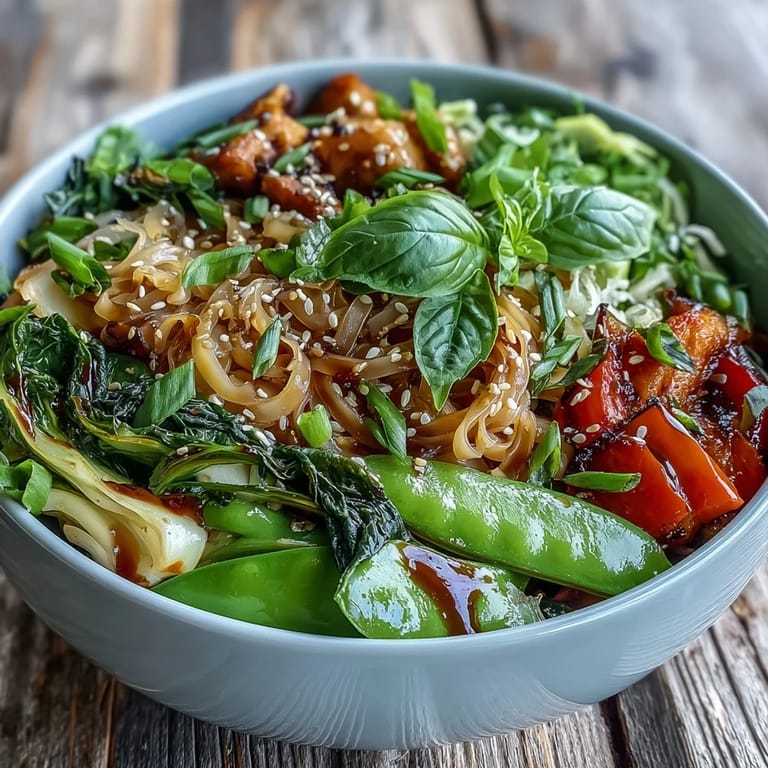
 Pin it
 I discovered shirataki noodles almost by accident, grabbing a package at the market when I was trying to cut back on carbs but still craving the comfort of a proper noodle bowl. That first bowl was revelatory—the way those translucent strands picked up flavor from a ginger sauce without any of the heaviness I expected. Now I make this whenever I want something that feels indulgent but leaves me energized instead of sluggish.
My partner took one bite and asked why we weren't making this every week, which is funny because they're usually skeptical about anything labeled 'healthy.' Watching their expression shift from skepticism to genuine enjoyment reminded me that good food doesn't announce itself as virtuous—it just tastes good and happens to be good for you.
Ingredients
- Shirataki noodles (400 g): These deserve respect—drain and rinse them thoroughly, then give them a quick boil to remove that slightly odd smell they arrive with. The texture becomes delightfully tender when cooked properly.
- Bok choy (1 cup, sliced): This leafy green wilts just enough in the pan to become silky without turning mushy, adding a gentle bitterness that balances the sweet-savory sauce.
- Red bell pepper (1/2, thinly sliced): The natural sweetness matters here, so don't skip it even if you think you're not a bell pepper person.
- Snow peas (1/2 cup, trimmed): Their crispness is essential to the bowl's texture contrast, so cook them just until they lose their raw edge.
- Carrot (1 medium, julienned): Julienne it yourself if you have time—the thin strands cook evenly and look more elegant than chopped pieces.
- Green onions (2, thinly sliced): Reserve some for garnish to add a fresh, sharp note at the very end.
- Tamari or gluten-free soy sauce (2 tbsp): Tamari has a deeper, slightly less sharp flavor than regular soy sauce, which makes a real difference in the final taste.
- Rice vinegar (1 tbsp): This brings brightness without the harshness of distilled vinegar—don't substitute it.
- Toasted sesame oil (1 tbsp): Use the small amount wisely; this is where the sesame flavor comes from, and it's powerful and delicious.
- Fresh ginger (1 tbsp, finely grated): Grate it right before cooking so you get that peppery, alive quality that pre-grated loses.
- Garlic clove (1, minced): One clove is perfect—more would overpower the delicate ginger notes.
- Maple syrup (1 tsp, optional): Just a touch rounds out the sauce, creating depth without making it noticeably sweet.
- Chili flakes (1/2 tsp, optional): Add these if you want warmth and a slight tingle; leave them out if you're cooking for people who don't like heat.
- Toasted sesame seeds (1 tbsp for garnish): Toast them yourself in a dry pan for 2 minutes if you have time—the difference is subtle but real.
- Fresh cilantro or basil (optional): Cilantro adds an herbaceous note, while basil brings something slightly peppery and different.
Tired of Takeout? 🥡
Get 10 meals you can make faster than delivery arrives. Seriously.
One email. No spam. Unsubscribe anytime.
Instructions
- Prepare the noodles with care:
- Drain the shirataki noodles in a colander, then rinse under cold running water for a few seconds to remove any packing liquid. Boil them in water for 2 minutes, which softens them slightly and removes any lingering oddness, then drain and pat dry with paper towels so they don't steam when you cook them.
- Whisk together your sauce:
- In a small bowl, combine tamari, rice vinegar, sesame oil, grated ginger, minced garlic, maple syrup, and chili flakes. Taste it and adjust as you go—it should taste balanced, not aggressively salty or sour.
- Stir-fry the heartier vegetables:
- Heat your skillet or wok over medium-high heat until it's genuinely hot. Add the carrot, bell pepper, and snow peas, and stir-fry for 2 to 3 minutes until they're just starting to soften but still have a pleasant snap when you bite them.
- Add the leafy greens:
- Toss in the bok choy and most of the green onions (reserving some for the top), stirring for another 1 to 2 minutes until the bok choy looks glossy and slightly wilted.
- Finish with noodles and sauce:
- Add the dried shirataki noodles to the pan and pour the ginger sauce over everything, then toss continuously for 2 to 3 minutes until the noodles are heated through and the sauce coats everything evenly.
- Serve and garnish:
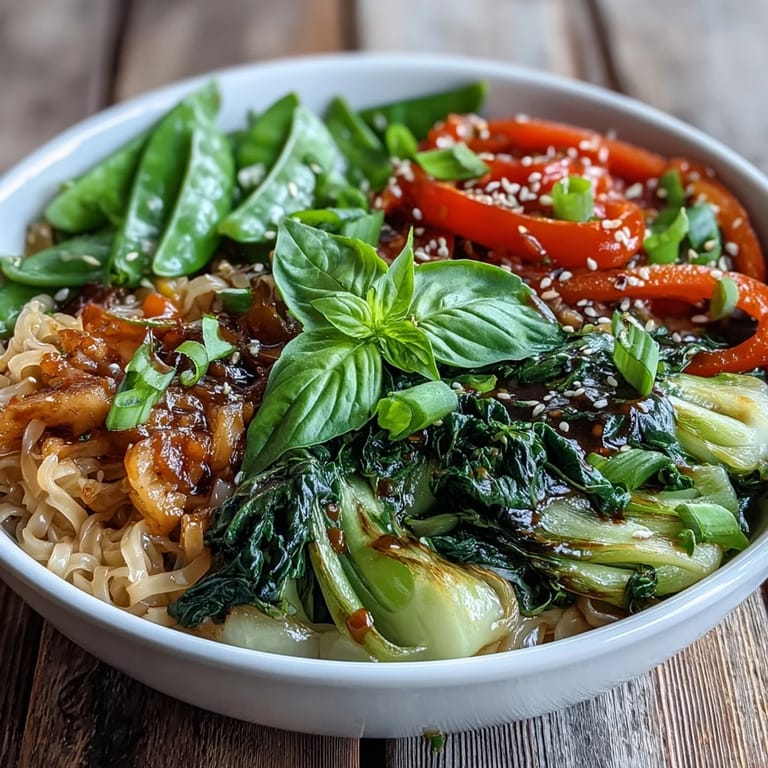
- Divide between bowls and top with toasted sesame seeds, reserved green onions, and cilantro or basil if you're using it. Serve immediately while everything still has some warmth and the vegetables retain their texture.
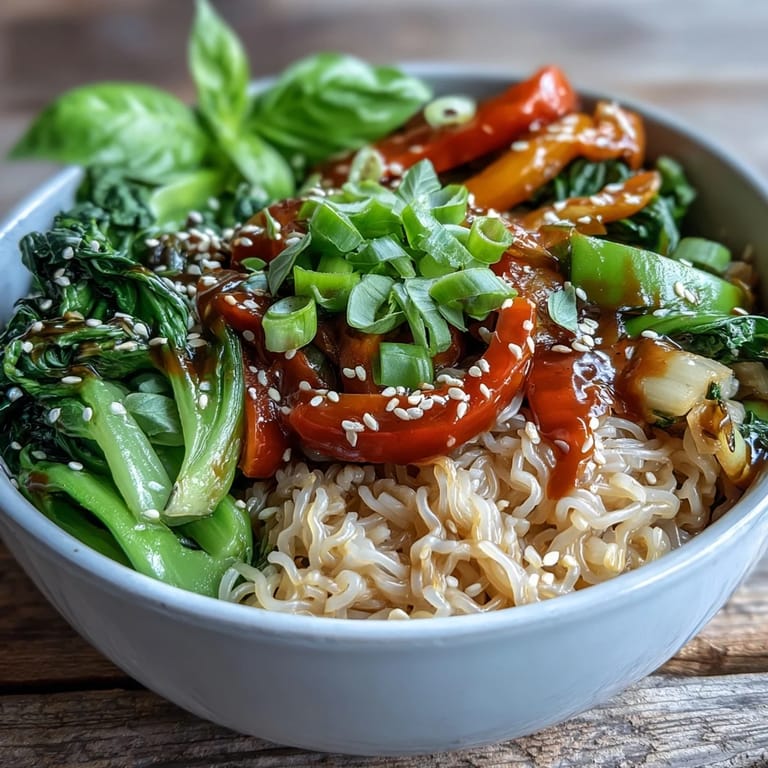 Pin it
 I once made this for a friend who was skeptical about trying shirataki noodles, certain they'd taste like nothing or worse. She asked for the recipe the moment she finished, and now sends me photos of her versions with different vegetable combinations. It became the kind of dish that people keep coming back to, which says something about how satisfying simple, well-balanced food can be.
Why This Bowl Works
The magic isn't in any single ingredient—it's in how they support each other. The ginger sauce has enough body from the sesame oil to cling to the noodles, the vegetables stay crisp enough to provide textural contrast, and the whole thing comes together in the time it takes to boil water. There's a reason this has become my go-to when I want something that tastes like real food but doesn't require planning ahead.
Making It Your Own
This bowl is flexible without being fussy—swap in whatever vegetables you have on hand because the sauce works with almost everything. Broccoli adds earthiness, mushrooms bring umami depth, and snap peas contribute a different kind of crunch. I've made it with thin slices of cucumber for summer freshness and roasted cauliflower when I wanted something more substantial.
Adding Protein and Extra Flavor
On nights when I want more staying power, I'll add grilled tofu, tempeh, or shrimp to my bowl—each one plays well with the ginger sauce without competing with it. A squeeze of lime juice right before eating brightens everything, and sometimes I add a tiny splash of chili oil if I'm in the mood for more heat. The best part is that none of these additions takes extra time; you're just layering things into a bowl you've already made.
- Squeeze fresh lime juice over the finished bowl to add brightness and cut through the richness of the sesame oil.
- Top with grilled tofu, tempeh, or cooked shrimp if you want to add protein without changing the character of the dish.
- Make extra sauce to keep in the fridge for salads or grain bowls throughout the week.
 Pin it
 This bowl taught me that healthy eating doesn't require sacrifice or compromise—just a little attention to flavor and texture. Make it once, and you'll understand why it keeps showing up on my table.
Recipe FAQs
- → What do shirataki noodles taste like?
Shirataki noodles have a very mild, neutral flavor that absorbs surrounding sauces and seasonings. Their texture is slightly gelatinous and springy, similar to glass noodles. The key is rinsing them thoroughly and dry-roiling or patting them dry before cooking to remove excess moisture.
- → Can I make this bowl ahead of time?
The vegetables and sauce can be prepped in advance, but it's best to stir-fry everything just before serving. Shiritaki noodles can become rubbery if reheated. For meal prep, store vegetables, sauce, and noodles separately, then combine and heat when ready to eat.
- → What vegetables work best in this bowl?
Asian vegetables like bok choy, snow peas, bell peppers, and carrots are ideal, but you can substitute broccoli, mushrooms, snap peas, or bean sprouts. Choose vegetables that stay crisp-tender when quickly stir-fried to maintain texture contrast with the soft noodles.
- → Is this sauce spicy?
The base sauce has mild heat from fresh ginger and garlic, while chili flakes are optional. Add more or less depending on your spice preference. For more heat, try sriracha or sambal oelek instead of chili flakes.
- → Can I use regular soy sauce instead of tamari?
Yes, regular soy sauce works perfectly as a substitute for tamari. The flavor profile will be slightly different—tamari is richer and less salty—but both provide the essential savory umami base for the ginger sauce.
- → How do I prevent shirataki noodles from being too watery?
Rinse noodles thoroughly under cold water, then boil for 2 minutes. Drain well and pat dry with paper towels before adding to the skillet. This removes the liquid they're packed in and helps them absorb the sauce instead of becoming watery.