 Pin it
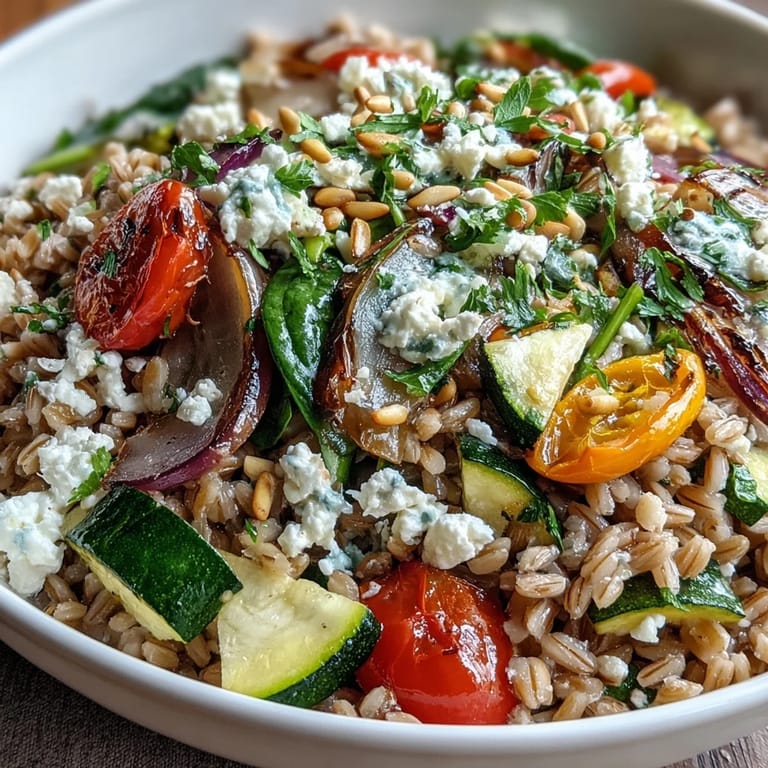
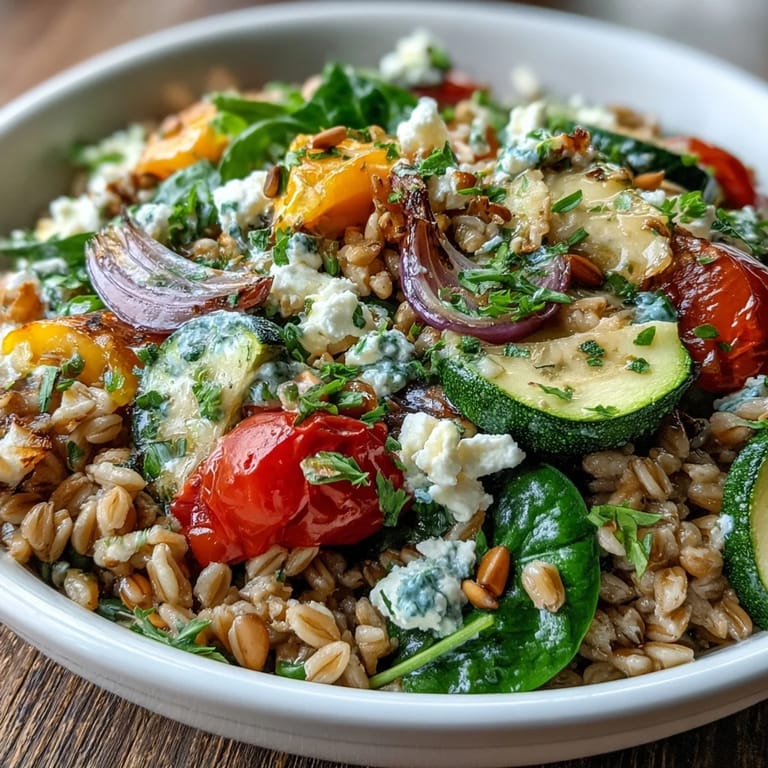
 One Thursday evening, I was rummaging through my pantry feeling uninspired when a box of farro pasta caught my eye—something I'd bought weeks ago on a whim. I'd forgotten how satisfying that nutty grain could be, and suddenly I was chopping vegetables with real purpose, imagining how their colors would look tumbled together. The kitchen smelled like garlic and lemon within minutes, and by the time everything came together, I understood why this simple bowl had become my answer to those nights when I wanted something that felt both nourishing and celebratory.
I made this for my sister who'd been on a health kick, and she actually asked for the recipe—something that had never happened before. Watching her taste it and then immediately reach for seconds told me everything I needed to know. It's become the dish I default to when I want to feed people something they'll remember fondly without feeling like they're being lectured about vegetables.
Ingredients
- Farro pasta (250 g): This grain has an earthy, almost nutty flavor that distinguishes it from regular pasta; if you can't find the pasta shape, whole farro berries work beautifully and cook in about the same time.
- Zucchini (1 medium, diced): Keep your dice consistent so everything cooks evenly, and don't worry if the pieces look slightly irregular—that's actually charming.
- Red and yellow bell peppers (1 each, diced): The color contrast isn't just for show; each color has a slightly different sweetness that builds complexity in the bowl.
- Cherry tomatoes (150 g, halved): Halving them instead of quartering preserves their juice, which becomes part of the dressing's body.
- Baby spinach (100 g): Add it at the very end so it wilts from residual heat without turning dark and bitter.
- Red onion (1 small, finely sliced): The sharpness balances everything else; don't skip it even though it's easy to overlook.
- Garlic (2 cloves, minced): Fresh garlic makes all the difference—jarred just doesn't have that same bite.
- Extra virgin olive oil (60 ml): This is your star player in the dressing, so use something you'd actually enjoy tasting on its own.
- Lemon juice (2 tbsp, freshly squeezed): Fresh lemon is non-negotiable here; bottled versions lack that bright snap.
- Dried oregano (1 tsp): It ties everything to the Mediterranean and deepens the flavor in ways you might not immediately notice.
- Sea salt and black pepper: Taste as you go—the vegetables will release moisture, so you might need more seasoning than you'd expect.
- Feta cheese (60 g, crumbled): The saltiness and tanginess are what make this bowl feel finished rather than just assembled.
- Fresh parsley and toasted pine nuts: Both optional but worth including if you have them; they add textural contrast that elevates everything.
Tired of Takeout? 🥡
Get 10 meals you can make faster than delivery arrives. Seriously.
One email. No spam. Unsubscribe anytime.
Instructions
- Get your water boiling:
- Fill a large pot with salted water and bring it to a rolling boil—you want it aggressively bubbling before the pasta goes in. This is your foundation for properly cooked farro that won't turn mushy or gummy.
- Cook the farro pasta:
- Add your farro pasta and cook according to package directions, usually around 10–12 minutes, stirring occasionally so nothing sticks to the bottom. The goal is al dente, where it has a gentle bite when you taste a strand; if you're using whole farro berries instead, give them about 20–25 minutes.
- Start your vegetable symphony:
- While the pasta cooks, heat 2 tablespoons of olive oil in a large skillet over medium heat until it's shimmering but not smoking. Add your sliced red onion and minced garlic, letting them soften for about 2 minutes until they become fragrant and the rawness fades.
- Build your color:
- Toss in the diced zucchini, red pepper, and yellow pepper, stirring every minute or so as they soften; you're looking for about 6–8 minutes total, where they're tender enough to enjoy but still hold their shape and color. The cherry tomatoes go in toward the end so they release their juice without falling apart completely.
- Wilt the spinach:
- Once your vegetables are mostly done, add the baby spinach all at once and stir until it turns dark green and collapses, which takes just 1–2 minutes. Remove the skillet from heat immediately so the spinach doesn't overcook.
- Mix your dressing:
- In a small bowl, whisk together the remaining olive oil, freshly squeezed lemon juice, dried oregano, sea salt, and black pepper until they're well combined and emulsified. Taste it on a vegetable or piece of pasta—it should be bright and herbaceous without being sharp.
- Bring everything together:
- Drain your cooked farro pasta and transfer it to a large bowl, then add your sautéed vegetables and pour the dressing over everything. Toss gently but thoroughly, making sure the pasta and vegetables are evenly coated so every bite has balance.
- Finish with flair:
- Divide the pasta among serving bowls and top each one with crumbled feta, fresh parsley, and toasted pine nuts if you're using them. You can serve this warm or let it come to room temperature—both are absolutely delicious.
 Pin it
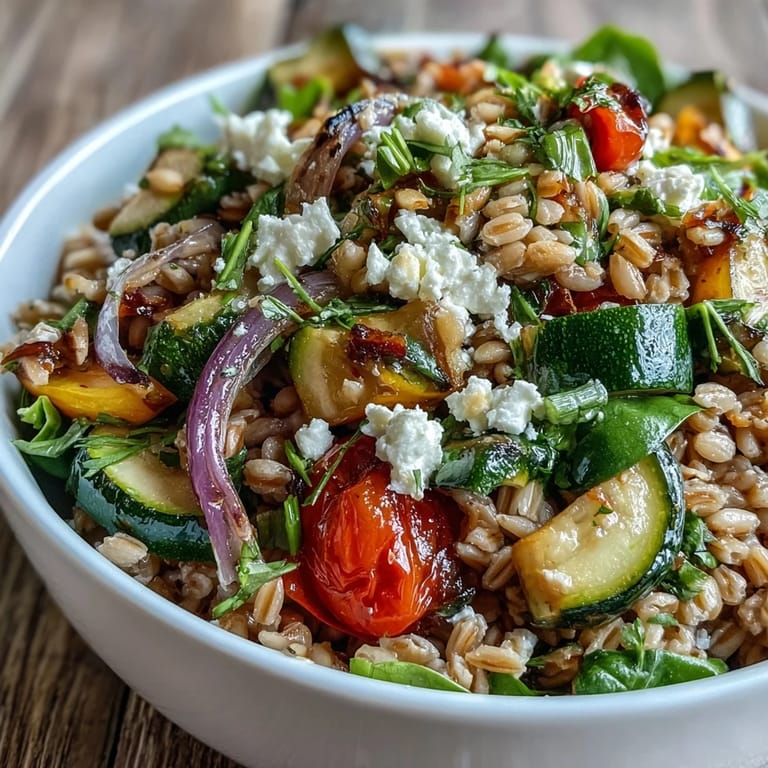
 This bowl has a way of becoming more than the sum of its parts—something about the combination of warm farro, tender vegetables, and that tangy olive oil dressing creates a moment of real satisfaction. It's the kind of dish that makes you slow down and appreciate what you're eating rather than rushing through.
The Beauty of Farro in a Bowl
Farro has this reputation for being fancy or complicated, but honestly it's just pearl barley's more interesting cousin—easier to cook, more forgiving with timing, and with a flavor that's somehow both earthy and elegant. Once you understand that farro can be a vehicle for whatever vegetables you have on hand, you'll find yourself making variations of this throughout the seasons. Spring might mean asparagus and peas, summer brings zucchini and tomatoes, fall welcomes roasted root vegetables, and winter can feature slow-cooked kale with dried cranberries.
Dressing as the Heart of the Dish
I learned the hard way that a bowl like this lives or dies by its dressing—too little and it tastes dry and disconnected, too much and it becomes heavy. The trick is understanding that the ratio matters, but more importantly, that the dressing needs to be balanced within itself. Your lemon juice should be assertive enough that you notice it, but the olive oil wraps around it in a way that feels luxurious rather than sharp.
Making It Your Own
The structure of this bowl is forgiving, which is partly why it's become such a staple in my rotation. You can follow it exactly as written, or you can use it as a template for whatever's in your refrigerator and what you're craving that day. Think of it less as a rigid recipe and more as a framework for building something satisfying with your hands.
- Add chickpeas or white beans if you want more protein and substance without making it meat-heavy.
- Swap the feta for goat cheese, mozzarella, or skip it entirely if you're going vegan and use cashew cream instead.
- Toast the pine nuts yourself in a dry skillet for 2–3 minutes if you want them hotter and more flavorful than store-bought.
 Pin it
 This bowl has a quiet way of becoming something you crave on ordinary days, which might be the highest compliment any recipe can receive. It's the kind of meal that nourishes you without making a fuss about it.
Recipe FAQs
- → Can I use regular farro instead of farro pasta?
Yes, whole farro works beautifully as a substitute. Simply cook the grains for 20-25 minutes until tender. The texture will be slightly chewier, which many people enjoy in Mediterranean-style grain bowls.
- → How long does this keep in the refrigerator?
This farro bowl stores well for 3-4 days when kept in an airtight container. The flavors actually develop and meld together overnight. Serve cold or gently reheated with a splash of olive oil.
- → What vegetables can I substitute?
Feel free to swap in eggplant, artichoke hearts, roasted red peppers, or fresh cucumber. The dish adapts well to whatever seasonal vegetables you have available. Just adjust cooking times accordingly.
- → Is this suitable for meal prep?
Absolutely. The components hold up beautifully throughout the week. Store the dressing separately and toss just before serving to maintain the best texture and freshness.
- → Can I make this gluten-free?
Yes, simply replace the farro pasta with quinoa, brown rice, or a certified gluten-free pasta. The cooking method and vegetable preparation remain exactly the same.