 Pin it
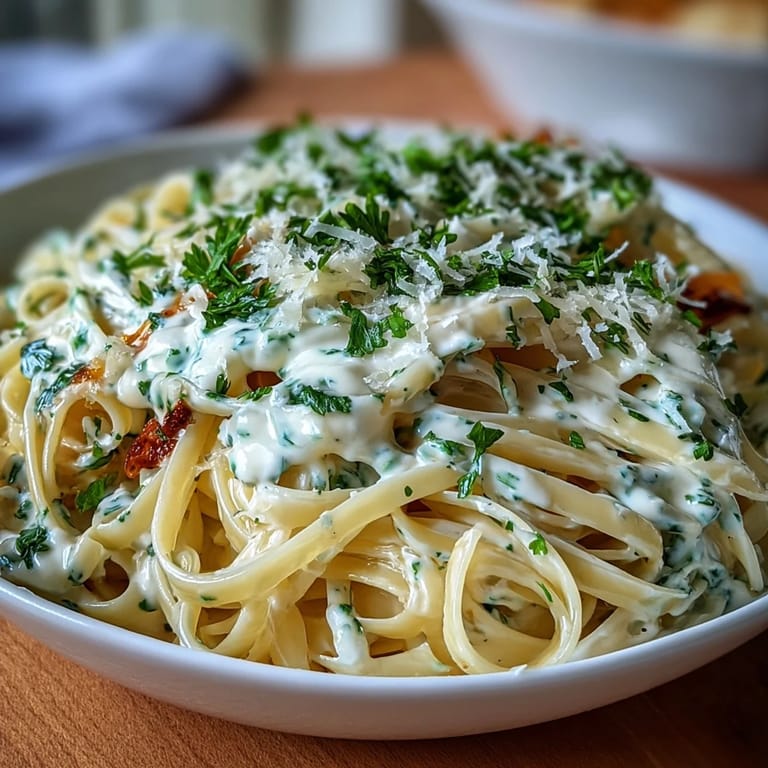
 There's something about the smell of butter and lemon hitting a hot skillet that makes you forget you're cooking on a Tuesday night instead of sitting at some Italian trattoria. My neighbor stopped by one evening asking what that incredible aroma was, and I realized I'd been so caught up in the simplicity of this dish that I'd barely noticed how elegant it had become. Lemon butter pasta with peas isn't fancy, but it has a way of feeling like it is, especially when you taste that bright citrus cutting through the richness.
I made this for my sister when she was stressed about work, and watching her face relax with that first bite reminded me that sometimes the best meals aren't complicated. She asked for the recipe three days later, and now it's become her go-to when she needs to feel like she's taking care of herself. Food does that sometimes—it shifts a whole mood.
Ingredients
- Linguine or spaghetti, 12 oz: The long strands hold onto the lemon butter sauce beautifully, and al dente is non-negotiable here since you'll toss it one more time in the skillet.
- Fresh or frozen green peas, 1 cup: Frozen peas are honestly just as good as fresh and sometimes better since they're picked at peak ripeness, so don't feel pressured to hunt down fresh ones.
- Garlic, 2 cloves minced: Cook it gently so it stays golden and fragrant instead of turning bitter and dark—this is where patience actually matters.
- Lemon zest and juice from 1 large lemon: That zest carries more flavor than the juice alone, so don't skip it, and always zest before you cut the lemon in half.
- Fresh parsley, 2 tbsp chopped: Add this at the very end so it stays bright green and doesn't turn dark and tired from the heat.
- Unsalted butter, 4 tbsp: Use real butter here because this sauce lives and dies on its quality, and unsalted gives you control over the saltiness.
- Grated Parmesan cheese, 1/2 cup plus more: Freshly grated makes a noticeable difference, though pre-grated works if that's what you have on hand.
- Salt and freshly ground black pepper: Taste as you go because Parmesan is salty and pasta water adds salt too—you might need less than you think.
Tired of Takeout? 🥡
Get 10 meals you can make faster than delivery arrives. Seriously.
One email. No spam. Unsubscribe anytime.
Instructions
- Get your water boiling:
- Fill a large pot with water and salt it generously, almost like sea water. Once it's rolling at a hard boil, add your pasta and stir it for the first minute so it doesn't stick together.
- Cook pasta to al dente:
- Follow the package time but check a minute or two before—you want a slight resistance when you bite it, not soft all the way through. Before draining, ladle out about a cup of that starchy cooking water and set it aside because it's liquid gold for your sauce.
- Start the sauce gently:
- In a large skillet, melt the butter over medium heat and immediately add your minced garlic, letting it cook for just about a minute until the kitchen smells incredible but the garlic is still pale golden. If it starts to brown, take it off the heat for a second because burned garlic will ruin everything.
- Add the peas:
- Toss in your peas and let them warm through for two to three minutes, stirring occasionally. If they're frozen, they'll release a little steam; if they're fresh, they'll just soften slightly and stay bright green.
- Brighten with lemon:
- Stir in the zest and juice, watching as the skillet suddenly smells like sunshine. The acid from the lemon will make the butter look a little separated for a moment, but that's exactly what you want.
- Bring pasta and sauce together:
- Add your drained pasta directly to the skillet along with about half a cup of that reserved pasta water, tossing everything constantly. Watch how the starchy water transforms the sauce into something silky and luxurious.
- Finish with cheese and seasoning:
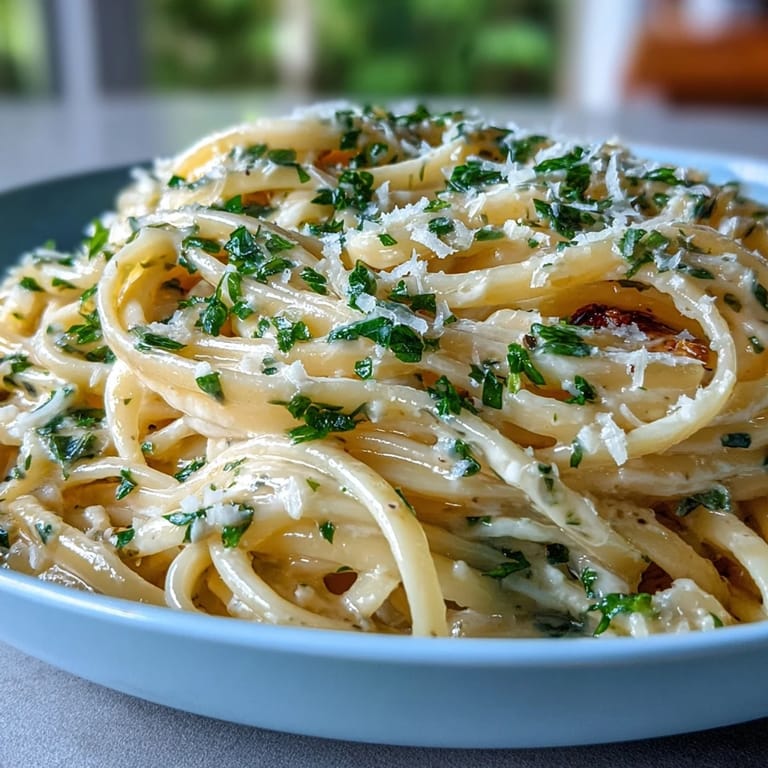
- Sprinkle in the Parmesan, salt, and pepper while tossing gently, and if it looks a little dry, add more pasta water a splash at a time. The sauce should coat every strand without being soupy—there's a sweet spot you'll learn to recognize.
- Final touch:
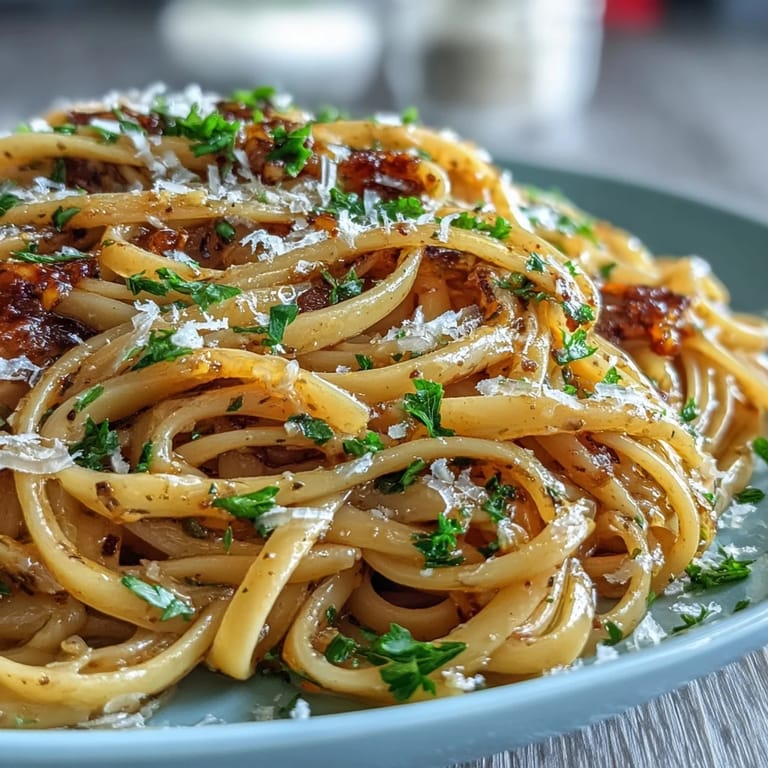
- Remove from heat and stir in the fresh parsley, then taste and adjust seasoning before serving. A few extra cracks of pepper and an extra handful of Parmesan on top make all the difference.
 Pin it
 There was a night when I made this for myself after a long day, sat down with a bowl and a glass of cold white wine, and realized I'd created something that felt almost like self-care. That's when I understood that simple doesn't mean unimportant.
The Magic of Pasta Water
Pasta water is one of those cooking secrets that feels almost too simple to matter, but it genuinely changes everything. That starchy liquid emulsifies with the butter and lemon juice, creating a sauce that clings to the pasta instead of pooling at the bottom. I used to drain my pasta and throw the water away until someone told me this trick, and now I can't imagine cooking pasta any other way.
Why Fresh Lemon Makes All the Difference
Bottled lemon juice has its place, but fresh lemon zest and juice bring a brightness that bottled can't match. The zest especially carries aromatic oils that make each bite taste more alive and vibrant. I've made this dish both ways, and the difference is honestly noticeable enough that it's worth the thirty seconds it takes to zest a lemon.
Customizing Without Losing the Soul
The beauty of this dish is that it's humble enough to accept additions without falling apart. I've thrown in everything from shrimp to spinach to roasted cherry tomatoes, and each time it still tastes like itself. The key is respecting the balance—the lemon and butter are the stars, so anything you add should play along rather than trying to take over.
- Grilled shrimp or rotisserie chicken turns this into something heartier without losing the lightness.
- A handful of fresh spinach or arugula wilts right in and adds a little earthiness that complements the lemon perfectly.
- Don't skip the pasta water even when you're improvising, because that's what holds everything together.
 Pin it
 This is the kind of recipe that proves the best meals don't need to be complicated. Make it tonight and I promise it'll be on rotation within a month.
Recipe FAQs
- → How can I keep the pasta sauce creamy?
Reserve some pasta cooking water before draining; its starch helps create a smooth, silky sauce when tossed with butter and cheese.
- → Can I use frozen peas for this dish?
Yes, frozen peas work well. Simply cook them in the skillet until heated through before combining with the pasta.
- → What is the best pasta shape to use?
Linguine or spaghetti complement the lemon butter sauce and peas nicely, allowing the sauce to coat evenly.
- → How do I avoid overcooking the peas?
Cook peas just until tender, about 2-3 minutes, to retain their fresh texture and vibrant color.
- → What are good additions to enhance the dish?
Add sautéed shrimp or grilled chicken for protein, or toss in baby spinach or arugula for extra greens and flavor complexity.