 Pin it
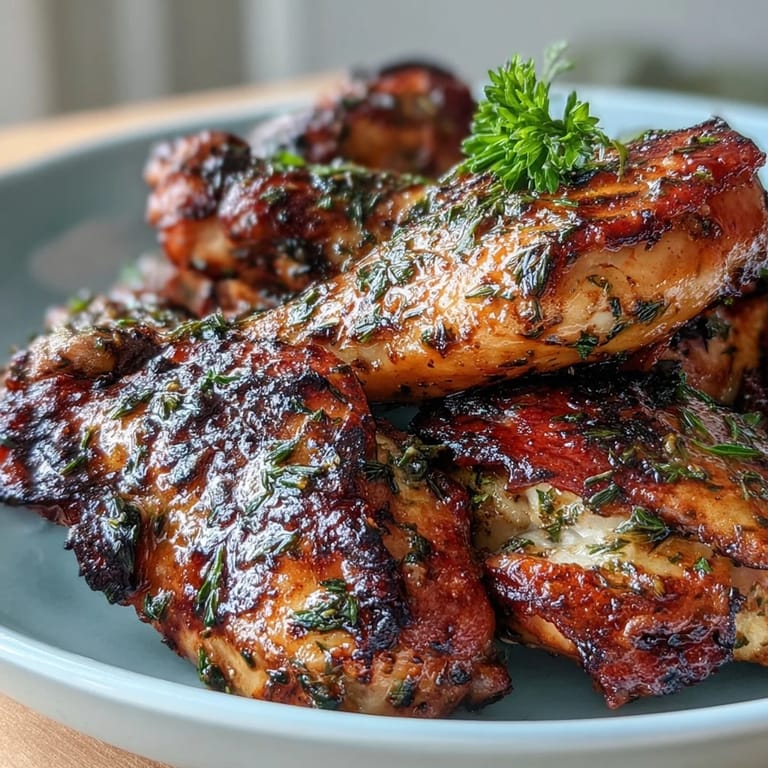
 There's something almost magical about the moment when a whole chicken hits a hot oven and the kitchen fills with the scent of lemon and rosemary. I learned to make this dish on a crisp April evening when a friend mentioned she'd never roasted a whole chicken before, and I thought, why not show her? What started as a simple dinner became the kind of meal that lingers in memory not because it was fancy, but because it was honest—golden skin, tender meat, and potatoes that had absorbed every bit of herb-infused goodness from the pan.
I made this for my sister's birthday dinner last spring, and what I remember most isn't the eating—though she definitely asked for the recipe—but the smell that greeted everyone as they walked through the door. One guest actually asked if I'd been cooking all day, and I loved admitting it had only been an hour. That's the quiet confidence this dish gives you.
Ingredients
- 1 whole chicken (about 4 lbs / 1.8 kg), giblets removed: This is your canvas, and letting it come to room temperature for 30 minutes before cooking helps it cook more evenly and prevents that raw-near-the-bone situation.
- 3 tbsp olive oil: Don't skimp here—it's what carries all that lemon and herb flavor into and around the bird.
- 2 lemons (1 zested and juiced, 1 sliced): Zest gives bright, concentrated flavor while juice adds acidity that brightens the whole dish; save that second lemon for the cavity where it perfumes everything from within.
- 4 cloves garlic, minced: Mince it fine so it distributes evenly in the oil and won't burn in hot spots.
- 2 tbsp fresh rosemary, finely chopped: Fresh is non-negotiable here—dried rosemary can turn woody and overpowering, and this dish deserves the delicate piney notes only fresh herbs provide.
- 2 tbsp fresh thyme, finely chopped: Thyme is gentle and herbaceous, the perfect counterbalance to bold rosemary.
- 1 tbsp fresh parsley, finely chopped: This adds freshness and acts as a whisper of flavor rather than a shout.
- 1½ tsp sea salt: Kosher or sea salt dissolves more evenly than table salt and seasons more gracefully.
- 1 tsp freshly ground black pepper: Grind it yourself right before you start—pre-ground pepper loses its volatile oils and tastes dusty by comparison.
- 2 lbs (900 g) baby potatoes, halved: Halving them ensures they cook in the same timeframe as the chicken and get more surface area for that golden crust.
- 2 tbsp olive oil (for potatoes): This separate measure ensures the potatoes get properly coated and don't compete with the chicken's marinade.
- 1 tsp sea salt (for potatoes): Season them as their own thing so they shine.
- ½ tsp black pepper (for potatoes): A lighter hand here keeps the focus on their buttery interior and crispy edges.
- 2 tbsp fresh parsley, chopped (for garnish): Scatter this over everything at the end for color and that bright, just-picked taste.
Tired of Takeout? 🥡
Get 10 meals you can make faster than delivery arrives. Seriously.
One email. No spam. Unsubscribe anytime.
Instructions
- Get your oven ready and prep the bird:
- Preheat to 425°F (220°C) and pat the chicken completely dry—moisture is the enemy of crispy skin, so don't skip this step even if it feels fussy. Place it in your roasting pan and take a breath; you're already halfway to something delicious.
- Make your herb and lemon paste:
- In a small bowl, whisk together the olive oil, lemon zest, lemon juice, minced garlic, and all three fresh herbs with the salt and pepper. The mixture should smell like a Mediterranean garden and look like a loose paste.
- Massage the chicken like you mean it:
- Rub the herb mixture all over the outside of the chicken, then—and this is important—gently lift the skin and work some under there too, right against the meat where it'll impart flavor directly. Stuff the cavity with lemon slices, and let the chicken sit in the pan for a few minutes while you prep the potatoes.
- Dress the potatoes:
- Toss the halved baby potatoes with 2 tbsp olive oil, 1 tsp salt, and ½ tsp pepper, then arrange them around the chicken in the pan. They should snuggle up against the bird so they catch all those dripping juices.
- Let the oven do the work:
- Roast for 1 hour and 10 to 15 minutes until the chicken's juices run clear when you pierce the thickest part of the thigh and a meat thermometer reads 165°F (74°C). You'll notice the skin gradually turning golden, and the kitchen will smell increasingly incredible.
- Golden potatoes (optional but worth it):
- If your potatoes look a bit pale when the chicken is done, remove the chicken to a cutting board, crank the oven to broil, and give those potatoes 5 to 7 minutes to get truly crispy and caramelized on top.
- Rest and serve:
- Let the chicken rest for 10 minutes—this allows the juices to redistribute so every bite stays moist. Carve it up, scatter fresh parsley over everything, and watch people's faces light up.
 Pin it
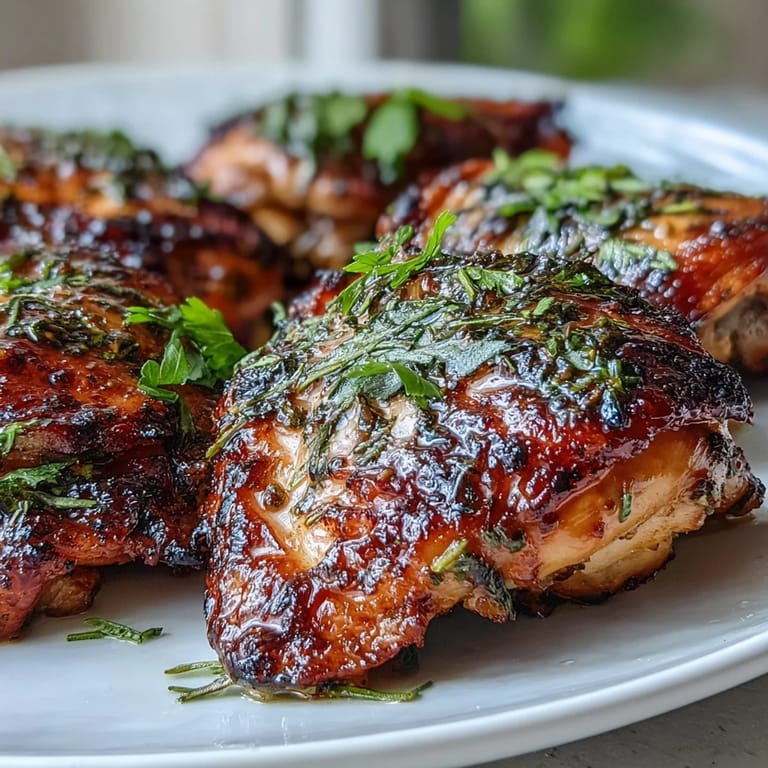
 My favorite version of this memory is watching someone who usually orders takeout actually carve a whole chicken at their own table, feeling that small pride that comes from doing something with your hands that turns out beautifully. That's when I knew this recipe works.
Why Fresh Herbs Change Everything
I spent years using dried herbs out of convenience, and they're fine in some dishes, but roasted chicken demands fresh. There's a vibrancy to fresh rosemary and thyme that dried versions simply can't replicate—something about how they release their oils under heat and perfume the bird from inside and out. The first time I switched, I couldn't believe I'd been shortchanging myself. If your market has a sorry-looking herb section, consider ordering them online a day ahead or find a farmers market; it's worth the small effort.
The Lemon and Garlic Balance
The secret to brightness without sourness is zesting the lemon as well as juicing it—the zest gives concentrated flavor without the acidity overload that juice alone would bring. Mincing the garlic fine means it distributes evenly and won't have that raw, harsh bite; it melts into the oil and becomes sweet and mellow. I learned this by making the mistake of chunking garlic once, and while it wasn't ruined, certain bites were aggressively garlicky while others were mild, which felt unbalanced.
Timing and Temperature Tricks
Starting at 425°F gives you that gorgeous golden skin without drying out the meat, but if your oven runs hot, you might be done in 60 minutes instead of 75. A meat thermometer eliminates guessing and is genuinely the most useful kitchen tool I own. The potatoes are done when the chicken is done if you cut them to roughly the same size, which is why halving them matters—uneven pieces mean some are mushy while others are still firm.
- Let the chicken rest for at least 10 minutes after cooking so the juices redistribute and stay in the meat instead of running onto your cutting board.
- If you're worried about the chicken finishing before the potatoes brown, just pull it out and let it rest while you broil the potatoes for extra caramelization.
- A quick squeeze of fresh lemon juice over everything right before serving adds a final bright note that ties all the flavors together.
 Pin it
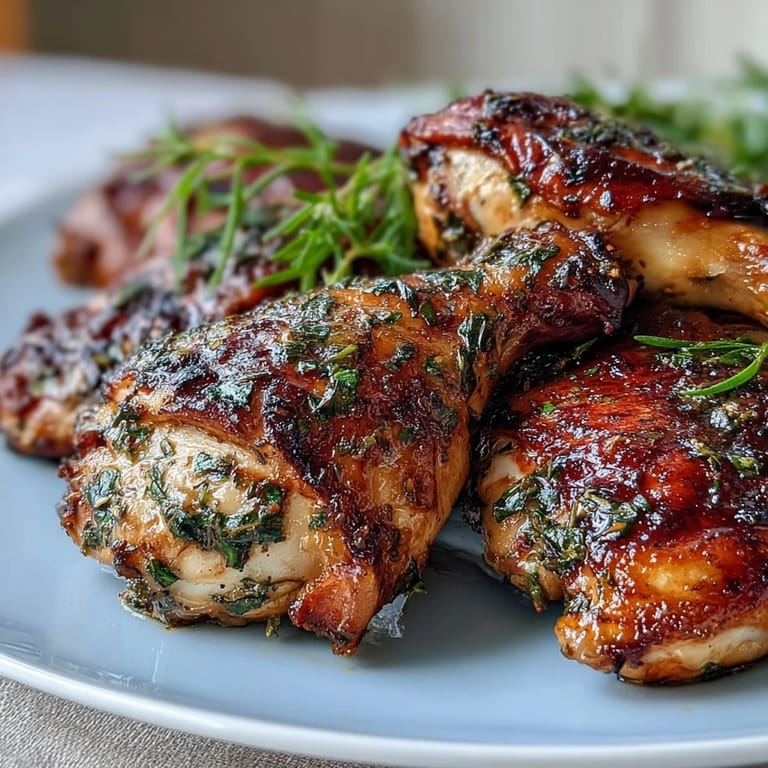
 This dish has become my go-to when I want to feel like I've done something meaningful in the kitchen without stress or complexity. It's the kind of meal that reminds you why cooking for people you care about matters.
Recipe FAQs
- → How should the chicken be prepared before roasting?
Pat the chicken dry to achieve a crispy skin, then thoroughly rub the lemon-herb marinade under the skin and inside the cavity for maximum flavor.
- → What temperature and time are ideal for roasting?
Roast at 425°F (220°C) for 1 hour and 10-15 minutes, until internal temperature reaches 165°F (74°C) and juices run clear.
- → Can the baby potatoes be substituted?
Yes, fingerling or small Yukon Gold potatoes work well as alternatives, offering a similar texture and flavor.
- → Is it necessary to rest the chicken after roasting?
Resting for 10 minutes allows the juices to redistribute, resulting in moist and tender meat when carved.
- → What herbs are best for this dish?
Fresh rosemary, thyme, and parsley complement the lemon and garlic, providing a bright and savory herbaceous profile.